
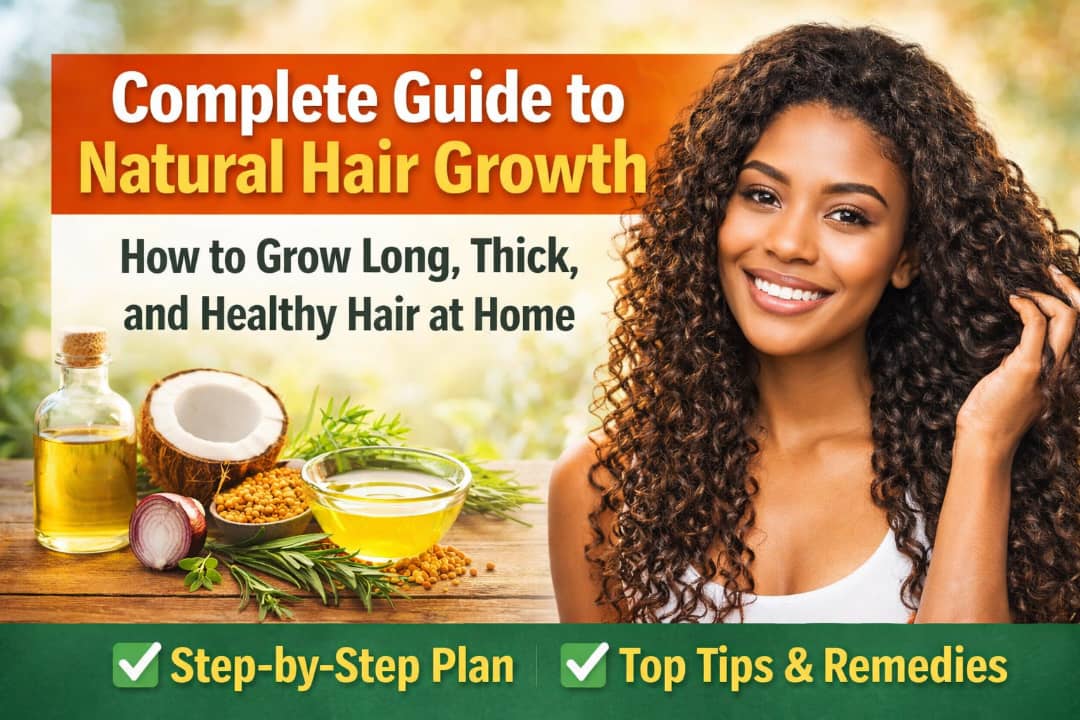

Having long, thick, and healthy hair is something many people desire. Hair is not only a part of our appearance but also reflects our health and habits. Unfortunately, hair growth can be slow and frustrating, and some people struggle with thinning, breakage, or weak strands. The good news is that with the right care, nutrition, and habits, it is possible to grow strong and beautiful hair at home using natural methods. This guide will provide you with practical, step-by-step advice that anyone can follow.
Understanding Hair Growth
Before diving into remedies and routines, it is important to understand how hair grows. Hair grows from follicles located in the scalp. Each follicle produces a strand of hair that grows in cycles. These cycles include the growth phase, the resting phase, and the shedding phase. The growth phase is the most important for length and can last anywhere from two to six years depending on genetics. The resting phase lasts a few weeks, after which hair falls out and new hair starts to grow. Healthy habits and proper care help extend the growth phase and improve hair thickness.
Hair health is influenced by several factors. Nutrition, stress levels, genetics, hormonal balance, and scalp health all play a role. Damaged hair will break easily and appear thin, even if the follicles are producing hair normally. Understanding that both internal and external factors matter will help you take a holistic approach to hair growth.
Nutrition for Strong Hair
Hair is made mostly of protein, so your diet directly affects its strength and growth. Here are key nutrients that promote healthy hair:
Protein
Hair is composed of a protein called keratin. Eating enough protein supports follicle growth and prevents breakage. Include sources such as eggs, fish, poultry, beans, and nuts. Vegetarians can focus on lentils, chickpeas, tofu, and quinoa.
Vitamins and Minerals
- Vitamin A: Supports sebum production, which keeps the scalp moisturized. Sources include carrots, sweet potatoes, and spinach.
- Vitamin C: Helps produce collagen, a component of hair strength. Citrus fruits, strawberries, and bell peppers are good sources.
- Vitamin E: Improves blood circulation to the scalp and promotes growth. Found in almonds, sunflower seeds, and avocados.
- Iron: Low iron can lead to hair thinning. Include red meat, lentils, spinach, and fortified cereals.
- Zinc: Supports follicle function. Sources include pumpkin seeds, chickpeas, and beef.
Hydration
Drinking enough water is often overlooked but essential for hair health. Dehydrated follicles produce weak hair. Aim for at least eight glasses of water a day, adjusting for your activity level and climate.
Daily Hair Care Routine
How you care for your hair every day affects its growth. A gentle and consistent routine is better than harsh treatments.
Gentle Washing
Wash your hair two to three times per week depending on hair type. Some should not be washed so frequently and may need protective braiding styles. Overwashing strips natural oils that protect and strengthen hair. Use lukewarm water and a mild, natural shampoo. Avoid shampoos with harsh sulfates and parabens. Focus on cleansing the scalp rather than scrubbing the hair strands.
Conditioning
Conditioning restores moisture, prevents breakage, and makes hair easier to detangle. Apply conditioner from mid-length to ends, avoiding the scalp unless you have very dry skin. Leave it for a few minutes before rinsing with cool water to seal the cuticle.
Scalp Massage
Massaging the scalp for a few minutes daily improves blood flow to the follicles. You can use fingers or a soft brush. For extra benefit, massage with natural oils such as coconut oil, castor oil, or argan oil. This nourishes follicles and encourages growth.
Detangling
Always detangle gently, starting from the ends and working up to the roots. Avoid brushing wet hair aggressively as it is more prone to breakage (my last hairdresser did this to my hair  ). Use a wide-tooth comb or a soft-bristled brush.
Protective Styling
Avoid tight hairstyles that pull on hair, such as tight ponytails or painful braids. Styles that reduce friction, like loose braids or buns, can prevent breakage. Consider using silk or satin pillowcases to minimize friction during sleep.
Natural Remedies for Hair Growth
Several natural ingredients can support hair growth and thickness. Here are some effective remedies you can use at home.
Coconut Oil
Coconut oil nourishes the scalp and strengthens hair from root to tip. Warm a small amount and massage it into the scalp and along the hair strands. Leave for at least one hour or overnight for deep conditioning. Wash off gently with shampoo.
Castor Oil
Castor oil is thick and rich in ricinoleic acid, which promotes circulation and hair growth. Mix castor oil with a lighter oil such as coconut or almond oil to make it easier to apply. Massage into the scalp and leave for a few hours before washing.
Onion Juice
Onion juice contains sulfur, which supports keratin production. Apply fresh onion juice to the scalp for 20 to 30 minutes before washing. It may have a strong smell, but regular use can improve hair strength and growth.
Aloe Vera
Aloe vera soothes the scalp, reduces dandruff, and promotes healthy growth. Apply pure aloe gel directly to the scalp and hair, leave for 30 minutes, and rinse. It can be used once or twice a week.
Egg Masks
Eggs are rich in protein and biotin, both essential for strong hair. Beat an egg and apply it to the scalp and hair. Leave for 20 minutes before washing with cool water. Use once a week for best results.
Herbal Rinses
Herbs like rosemary, hibiscus, and fenugreek can strengthen hair and reduce hair fall. Boil leaves in water, let it cool, and use as a final rinse after washing hair.
Avoiding Hair Damage
Even if your scalp is healthy and your diet is right, external factors can stop your hair from growing or cause breakage. Here are the main areas to watch:
Heat Styling
Excessive use of hair dryers, straighteners, or curling irons damages the hair shaft. Heat strips natural oils, weakens keratin, and leads to split ends. To prevent damage:
- Limit heat styling to once or twice a week.
- Use the lowest temperature possible.
- Apply a natural heat protectant, such as coconut oil or argan oil, before styling.
Chemical Treatments
Perms, relaxers, and hair dyes contain harsh chemicals that can weaken hair and slow growth. Frequent chemical treatments increase breakage and scalp irritation. To protect your hair:
- Space out chemical treatments and give your hair at least 4–6 weeks to recover.
- Prefer natural dyes like henna when possible.
- Deep condition after any chemical treatment to restore moisture.
Environmental Factors
Sunlight, wind, and pollution can damage hair over time. UV rays dry out strands, and dust or pollutants can accumulate on the scalp. Protect your hair by:
- Wearing a scarf or hat in harsh sun or windy conditions.
- Washing hair as regularly as your hair texture allows to remove dirt and pollutants.
- Using natural oils to create a protective layer on the strands.
Rough Handling
Hair is most vulnerable when wet. Avoid aggressive brushing or towel drying. Instead:
- Gently squeeze excess water from hair using a soft towel.
- Use a wide-tooth comb to detangle.
- Avoid tight hairstyles that pull on roots, such as tight ponytails or painful braids, which can lead to hair loss over time.
Lifestyle Factors for Hair Growth
Hair health is not just about what you put on your hair but also how you treat your body and mind. Good habits can make a significant difference.
Sleep
Sleep allows the body to repair and regenerate. Poor sleep disrupts hormone balance, which can affect hair growth. Aim for 7–9 hours of quality sleep each night. Sleeping on silk or satin pillowcases reduces friction and breakage.
Stress Management
Chronic stress triggers hair shedding and slows growth. Practices that help manage stress include:
- Meditation or deep breathing exercises
- Yoga or stretching
- Daily walks in nature
- Engaging in hobbies or activities that relax the mind
Exercise
Exercise improves blood circulation, which helps deliver nutrients to hair follicles. Even 20–30 minutes of walking, jogging, or light exercise daily can benefit hair growth.
Balanced Diet
As discussed earlier, a diet rich in protein, vitamins, minerals, and hydration is key. Avoid crash diets or excessive sugar, as they can weaken hair and cause breakage.
Step-by-Step Hair Growth Plan
Creating a consistent weekly routine maximizes results. Here is a practical plan you can follow at home.
Daily Routine
- Massage scalp for 5 minutes with natural oil (coconut, castor, or almond).
- Gently detangle hair after washing or overnight.
- Protect hair from friction by using silk pillowcases or loose hairstyles.
Weekly Routine
- Wash hair 2–3 times with mild shampoo.
- Apply a nourishing hair mask once a week (egg mask, aloe vera mask, or yogurt mask).
- Rinse hair with herbal water once a week (rosemary, hibiscus, or fenugreek).
Monthly Routine
- Trim split ends to prevent breakage and maintain healthy growth.
- Limit chemical treatments and heat styling.
- Evaluate your diet and supplement any deficiencies (iron, biotin, vitamin D).
Consistency is essential. Hair growth is a gradual process, and results may take a few weeks to appear. Patience and routine care are the keys to success.
Common Hair Problems and Solutions
Even with proper care, hair can face common issues that affect growth. Here are practical solutions:
Hair Thinning
- Caused by genetics, stress, poor nutrition, or illness.
- Solution: Increase protein intake, use gentle scalp massages, avoid harsh treatments, and consider supplements if needed.
Split Ends
- Result from dry hair, heat styling, or chemical exposure.
- Solution: Trim regularly, apply conditioning oils, and avoid heat.
Dandruff
- Caused by dry scalp, fungal infections, or product buildup.
- Solution: Use natural remedies like aloe vera, tea tree oil, or apple cider vinegar rinse. Avoid harsh medicated shampoos unless necessary.
Slow Growth
- Often caused by poor diet, stress, or scalp issues.
- Solution: Follow a complete routine with scalp massage, proper nutrition, and protective styling.
Hair Breakage
- Can result from rough handling, tight hairstyles, or chemical damage.
- Solution: Be gentle when brushing, deep condition regularly, and avoid excessive heat.
Maintaining Long-Term Healthy Hair
Growing hair is one challenge, but keeping it healthy requires ongoing care. Follow these long-term tips:
- Stay Consistent – Daily and weekly routines build lasting results.
- Protect Your Hair – From sun, wind, and harsh styling.
- Eat Well – Nutrition remains the foundation for growth.
- Manage Stress – Hair responds to overall health and hormone balance.
- Trim Occasionally – Even if you want long hair, trimming split ends prevents further damage.
- Use Natural Products – Oils, masks, and gentle shampoos preserve hair strength.
- Avoid Quick Fixes – Pills, chemical treatments, or miracle products (most are not what they claim to be) often do more harm than good.
Frequently Asked Questions
How fast does hair grow naturally?
On average, hair grows about half an inch per month. Genetics, diet, and care affect this, so growth varies between individuals.
Can hair growth speed up?
While you cannot change your natural rate drastically, proper care, nutrition, and scalp stimulation can maximize growth potential.
Are oils really necessary?
Yes. Oils nourish the scalp, prevent dryness, and reduce breakage. Regular massage stimulates follicles and promotes circulation.
Do I need to wash hair every day?
No. Overwashing strips natural oils. Most people benefit from washing two to three times per week (some with afro hair wash once a week).
Can hair grow thicker naturally?
Yes. Thickening depends on follicle health and care. Reducing breakage, using oils, and following a healthy routine improve the appearance of thickness.
Conclusion
Growing long, thick, and healthy hair at home is entirely possible. The key is a combination of proper nutrition, consistent care, protection from damage, and patience. Natural remedies like coconut oil, castor oil, aloe vera, and egg masks support growth while keeping hair strong. Lifestyle factors such as sleep, stress management, and exercise play a crucial role as well. Anyone who follows this complete guide can improve the health, strength, and appearance of their hair over time.
There are no overnight miracles. Real growth comes from regular care and mindful habits. Start small, stay consistent, and your hair will reward you with strength, shine, and beauty.