

JudeEsq



















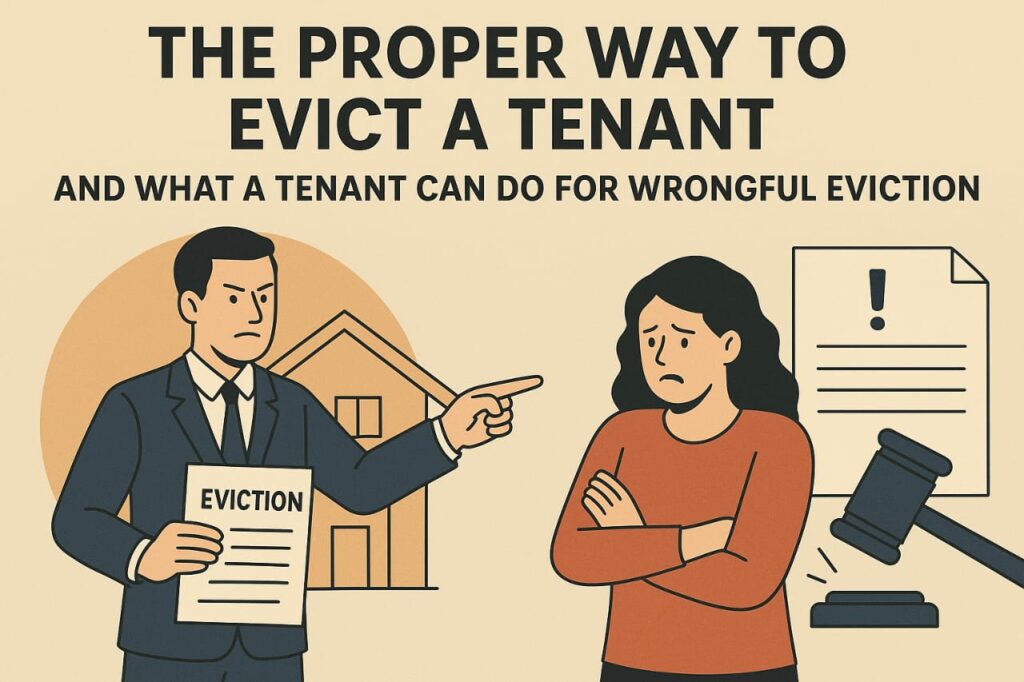





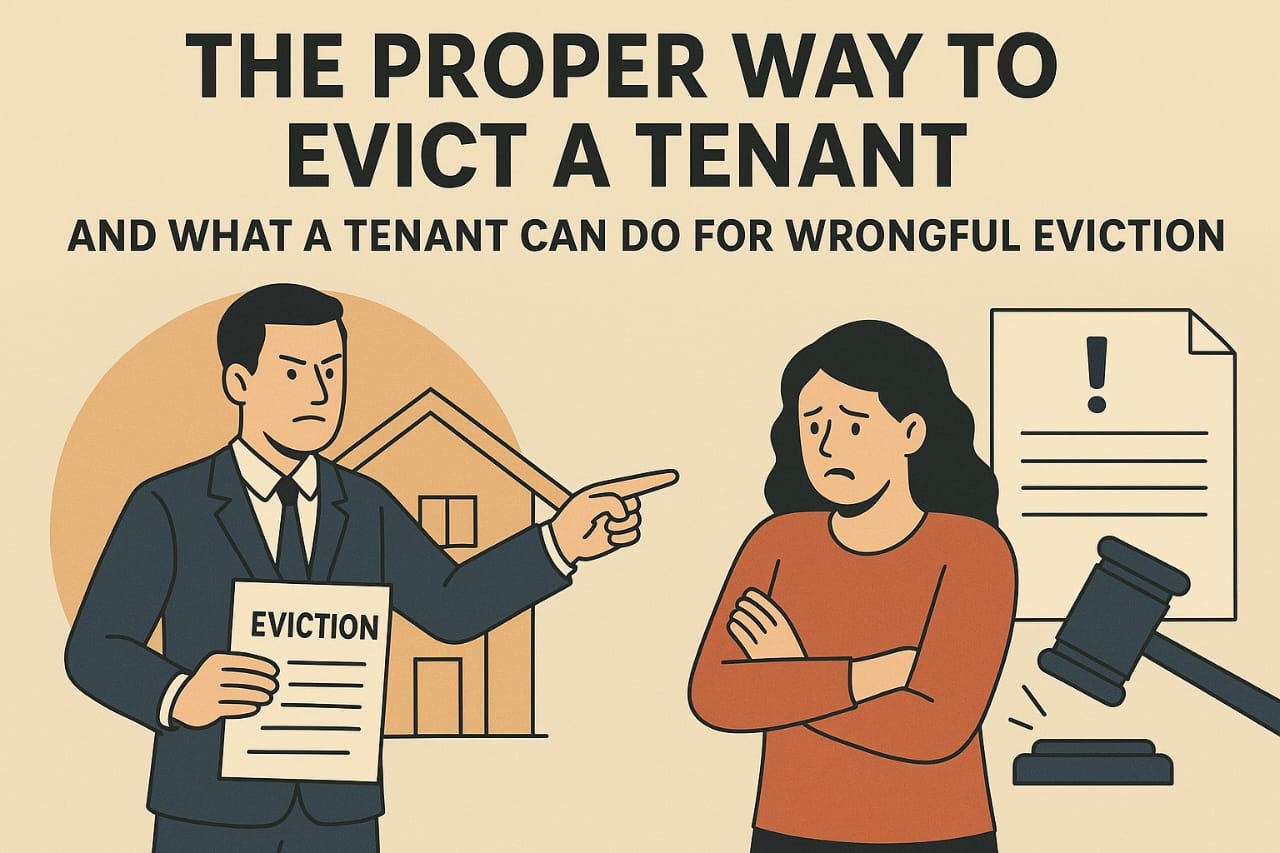
THE TENANTS WHO NEARLY LOST EVERYTHING
There are moments in legal practice that remind us why the rule of law is not a suggestion. It is a safeguard. This is one of those moments.
Mrs Hassan was a quiet widow who lived with her two daughters in a modest flat in Kaduna. For seven good years, she paid her rent on time. She caused no trouble. She had no disputes with anyone. Her landlord, Alhaji Musa, often praised her and said that she was his best tenant.
Then one day, everything changed.
Alhaji decided that he wanted to renovate the building. It was a major project and he wanted all tenants to leave for half a year. Instead of following the law, he chose the route of force. One morning he stormed into the compound and announced that everybody must leave within two weeks. He claimed that he had already spoken with builders and that he needed the place empty.
As expected, panic followed. Mothers were confused. Children cried. Tenants ran from door to door trying to understand what was happening.
Mrs Hassan, being gentle and respectful, approached him and reminded him that the law requires proper notice. But Alhaji dismissed her. He declared that it was his house and that no one could tell him what to do inside his property.
What followed was even worse. Alhaji hired men to remove doors, cut off the water supply, and damage parts of the premises. The tenants suddenly found themselves living in fear and discomfort. They carried buckets across the neighbourhood in search of water. They slept without proper security. The compound became chaotic and unsafe.
But Mrs Hassan did one thing that changed the entire situation. She visited a lawyer.
After listening to her, the lawyer asked one simple question.
Did he serve any written notice?
The answer was no.
For the lawyer, that was enough. Everything Alhaji had done so far was unlawful. Together, they filed a petition in court. When Alhaji received the summons, he was shocked. He believed the tenants were powerless. He believed the common phrase my house my rules.
But the law does not bow to personal sentiments.
In court, he was reminded of a simple principle. A landlord cannot evict a tenant without following due process, serving proper written notices, and obtaining a court order when required. Removing doors, disconnecting water, or harassing tenants is illegal self-help. No landlord in Nigeria is allowed to do that.
The court delivered its orders.
Alhaji was directed to restore water immediately. He was ordered to repair all the damage he caused. He was told to compensate the tenants for distress. Most importantly, he was ordered to serve proper notices before any future renovation.
When judgment was given, he walked out humbled. He approached Mrs Hassan quietly and asked for forgiveness. He admitted that he thought the tenants did not know their rights.
Her response was simple and powerful, “When you respect the law, everyone lives in peace”.
THE MORAL LESSON
A landlord owns the building, but no one owns the law. A tenant may not own the property, but they have rights that must be respected. Eviction must follow due process. No harassment. No intimidation. No illegal force.
Knowing your rights is protection. Using your rights is power.
Alhaji’s problem was not the renovation. It was the unlawful manner in which he tried to force people out. If he had acted within the law, everything would have been simple and peaceful.
Below is the exact process he should have followed.
WHAT A LANDLORD MUST DO BEFORE RENOVATION (OR ANY EVICTION)
One. Serve Proper Written Notice to Quit
Renovation is not an emergency that allows a landlord to ignore the law. The required notice depends on the type of tenancy.
Yearly tenant = Six months notice
Quarterly tenant = Three months notice
Monthly tenant = One month notice
Weekly tenant = One week notice
Without this notice, the landlord has no right to demand possession.
Two. Wait for the Notice Period to Expire
During the notice period, the tenant is entitled to quiet enjoyment of the property. Water, electricity, doors, and general security must remain intact. Any attempt to disturb the tenant is illegal self-help.
Three. Serve the Seven Days Owners Intention to Recover Premises
This only comes after the notice to quit has expired. It is the final warning before approaching the court.
Four. File in Court if the Tenant Still Refuses to Leave
The court, not the landlord, determines when the tenant must leave. At no time can a landlord evict without a valid court order.
Five. Offer Temporary Assistance Where Possible
Although not compulsory, wise landlords often refund unused rent, give small relocation support, or guarantee the tenant the first right to return after renovation. This promotes peace and prevents disputes.
WHAT ALHAJI DID WRONG
He removed doors
He cut water
He vandalised the building
He intimidated tenants
He gave an unlawful two week deadline
He served no written notice at all
WHAT HE SHOULD HAVE DONE
Step one. Serve written notice to quit
Step two. Allow peaceful occupation until the notice expires
Step three. Serve the seven days owners intention to recover premises
Step four. File in court to recover possession
Step five. Wait for the court order
Step six. Begin renovation lawfully
Step seven. Offer returning rights if he wishes
THE SIMPLE TRUTH
A landlord owns the property. The law owns the process.
A tenant occupies the property. The law protects their dignity.
If Alhaji had followed the proper steps, he would have avoided compensation payments, repair orders, public embarrassment, delay, and damage to his reputation.
Let this story be a reminder. In Nigeria, tenant rights are real. Due process is not optional. And no landlord is above the law.
© F. J. Jude
Website: jude.ng