

JudeEsq



















Lorem Ipsum has been the industry’s standard dummy text ever since the 1500s.
Introduction
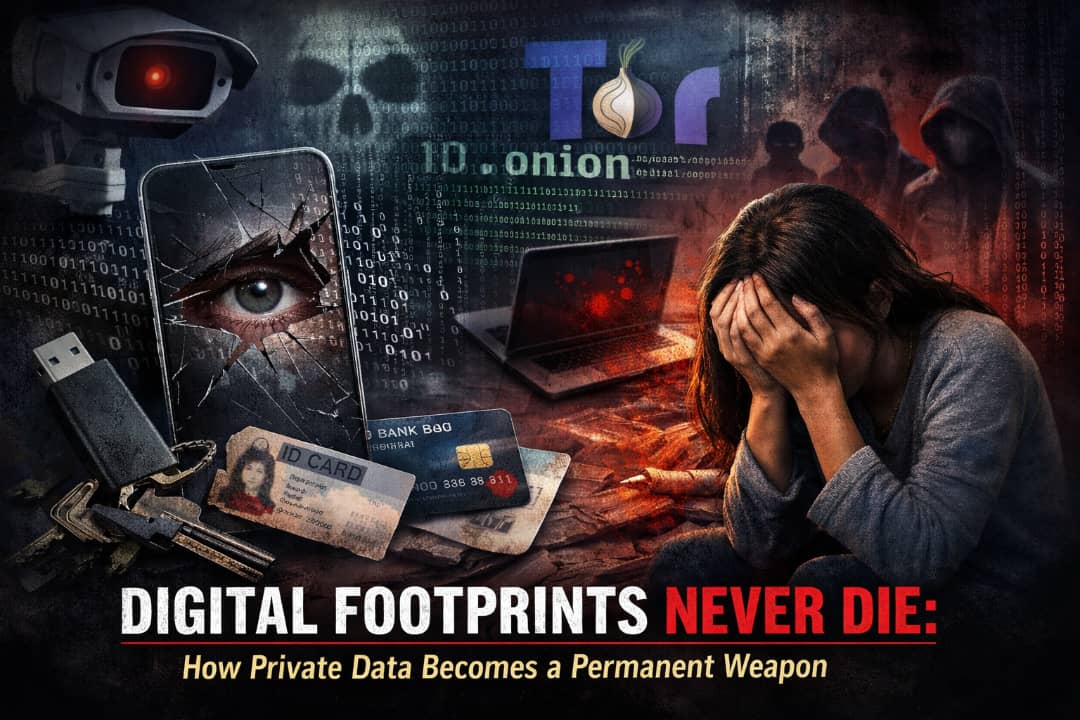
Every action performed online leaves a trace. Some are obvious, such as social media posts, emails, or online purchases. Others are silent and invisible, stored quietly in servers, logs, backups, and databases that most users never see. Together, these traces form what is commonly called a digital footprint. Many people believe these footprints fade with time. That belief is false.
In reality, digital footprints rarely disappear. They persist, replicate, migrate, and resurface in ways that often surprise and harm the people who created them. In Nigeria, as in many parts of the world, private data has become a long term asset for criminals, a tool for coercion, and a weapon capable of causing financial, emotional, and social damage years after the original data was created.
This article examines how private data becomes permanent, how it is transformed into a weapon, and how Nigerian law attempts to respond to this reality. It avoids sensationalism. It relies on law, technology, and lived experience.
The focus is simple. Data does not forget. Systems do not forget. People suffer the consequences.
What Is a Digital Footprint?
A digital footprint is the total record of a person’s interaction with digital systems. It includes data created intentionally and data created without conscious awareness.
Intentional data includes names entered into forms, photographs shared online, messages sent through email or messaging platforms, and documents uploaded to websites or cloud services. These actions are deliberate, even if the long term effect is not considered.
Unintentional data includes metadata, location records, device identifiers, browsing logs, cookies, and background analytics collected by applications and service providers. Many users do not know this data exists, yet it is often more revealing than the content a person chooses to share.
In Nigeria, digital footprints are created daily through bank apps, telecom services, national identity systems, social media platforms, online schools, health portals, and e commerce services. The scope is wide. The regulation is still evolving.
The False Idea of Deletion
Many people believe that deleting a message, closing an account, or wiping a device removes their data from existence. This belief is incorrect.
When data is deleted, it is often only removed from immediate access. Copies remain in backups, server logs, mirror systems, third party services, and archived storage. In corporate and government environments, retention policies require data to be kept for years.
In Nigeria, banks retain transaction records to comply with financial regulations. Telecom companies retain call detail records. Internet platforms keep logs for security and compliance reasons. These records may not be visible to the user, but they continue to exist.
Deletion, in most cases, is not destruction. It is concealment.
How Private Data Becomes Exposed
Private data becomes exposed through several common routes. These routes are rarely dramatic. They are ordinary failures repeated at scale.
Data Breaches
A data breach occurs when unauthorised persons gain access to a system holding private data. This may happen through poor security, weak passwords, outdated software, insider misconduct, or social engineering.
In Nigeria, data breaches have affected banks, schools, hospitals, small businesses, and government agencies. Many breaches are never disclosed publicly. Victims often discover the breach only after fraud occurs.
Insider Access
Not all data leaks come from outside attackers. Employees, contractors, and vendors often have legitimate access to systems. When controls are weak, this access can be abused.
A staff member who copies customer records onto a personal device, sells login details, or exports databases can expose thousands of individuals at once. Nigerian law recognises this risk, but enforcement is difficult.
Phishing and Social Engineering
Phishing remains one of the most effective methods of data theft. Victims are tricked into revealing passwords, bank details, or identity information without exactly understanding what they have done.
Once obtained, this data is rarely used only once. It is stored, shared, and resold. A single successful phishing attack can fuel years of criminal activity.
Device Loss and Repair Abuse
Phones, laptops, and storage devices contain large volumes of personal data. When devices are lost, stolen, or handed over for repair, data exposure becomes likely.
In Nigeria, informal repair markets are common. Data protection practices are inconsistent. Private photographs, messages, and documents often leave the owner’s control without consent.
The Role of the Dark Web in Data Persistence
Stolen data does not vanish after initial use. It enters an underground economy where it gains value over time.
Dark web forums and marketplaces function as archives. Data sets are uploaded, categorised, and traded. Even when a specific market is shut down, copies of the data often survive elsewhere.
A database stolen today may resurface years later in a different form. Bank details may expire, but identity data does not. Names, dates of birth, addresses, and photographs remain useful indefinitely.
For Nigerians, this means that a single breach can have lifelong consequences. Identity theft, loan fraud, impersonation, and harassment may occur long after the original incident.
Private Data as a Weapon
Private data becomes a weapon when it is used to harm, control, or exploit an individual. The harm is not abstract. It is practical.
Financial Harm
Stolen bank details enable fraud. Identity data enables loan applications, account takeovers, and illegal transactions. Victims often spend years clearing their names.
Under Nigerian law, victims may report such crimes, but recovery is slow. Financial institutions may reverse some losses, but reputational damage remains.
Psychological and Social Harm
Exposure of private photographs, messages, or personal history can cause shame, fear, and isolation. Victims may withdraw from social life or employment opportunities.
In some cases, data is used for blackmail. Threats are made to release information unless money or compliance is provided. This is a criminal offence under Nigerian law, yet many cases go unreported.
Gender Based Abuse
Women are disproportionately affected by data misuse. Intimate images, personal communications, and location data are often used for harassment or coercion.
Cultural stigma increases the harm. Victims may be blamed rather than protected.
Long Term Reputation Damage
Online records are persistent. Search engines, archives, and shared databases ensure that information follows individuals across time.
A false accusation, leaked document, or misused image can affect employment, education, and personal relationships years later.
Nigerian Legal Response to Data Misuse
Nigeria does not lack laws addressing data misuse. The challenge lies in scope, enforcement, and public awareness.
Cybercrime Act 2015
The Cybercrime Prohibition Prevention Etc Act 2015 criminalises unauthorised access to computer systems, data interference, identity theft, fraud, and related offences.
Sections of the Act address unlawful access, misuse of passwords, manipulation of data, and electronic fraud. Penalties include fines and imprisonment.
The Act focuses on conduct rather than technology. It does not need to mention specific platforms for liability to arise.
Nigeria Data Protection Act 2023
The Nigeria Data Protection Act establishes rules for lawful processing of personal data. It imposes duties on data controllers and processors.
The Act recognises rights of data subjects, including consent, purpose limitation, and security obligations. Breach of these duties attracts penalties.
This Act marks a significant step forward, but implementation remains uneven.
Evidence Act
Digital evidence is admissible under Nigerian law if properly obtained and authenticated. This allows courts to consider electronic records in cases involving data misuse.
However, technical expertise is often required to present and challenge such evidence.
Enforcement Challenges
Law is only effective when enforced.
Technical Capacity
Investigating digital crimes requires specialised skills. Many agencies lack trained personnel and forensic tools.
Jurisdictional Limits
Data often crosses borders. Servers may be hosted outside Nigeria. Cooperation with foreign authorities is slow.
Public Awareness
Many victims do not know their rights. Others fear stigma or doubt that justice will be served.
Why Digital Footprints Persist
Data persists because systems are designed for retention, not forgetting.
Backups are created automatically. Logs are preserved for security. Copies are shared across services.
Human behaviour also contributes. People reuse passwords, overshare information, and underestimate risk.
Once data leaves the original owner’s control, recovery is unlikely.
Nigerian Case Studies and Practical Applications
Case Study 1: Banking Information Theft
In 2019, a Lagos based bank reported that multiple customer accounts had been compromised. Hackers accessed account numbers, PINs, and transaction records. The data was later traced to a foreign marketplace. Victims reported unauthorised withdrawals and fraudulent transactions. The bank cooperated with the Economic and Financial Crimes Commission, but recovery was partial. Legal proceedings are ongoing.
Case Study 2: University Records Breach
A southwestern Nigerian university experienced a breach in 2020. Student records, including results and personal information, were sold online. The perpetrator was an insider with access to the student database. Students reported identity theft, harassment, and fraudulent loan applications. The university implemented stricter security measures and notified authorities. Prosecution required extensive digital forensic evidence.
Case Study 3: Social Media Data Exposure
A popular social media influencer discovered that private messages and photographs had been shared without consent. The perpetrator, an acquaintance, sold the content to multiple third parties. Legal action was initiated under the Cybercrime Act, but enforcement faced delays due to jurisdictional issues and difficulty tracking online transfers.
Lessons From Case Studies
- Digital footprints are exploited across time and location.
- Insider access is often more dangerous than external attacks.
- Enforcement relies on technical skill and cross border cooperation.
- Victims require both legal and social support to recover.
Preventive Strategies and Institutional Responsibilities
Data Minimisation
Individuals and organisations must limit the amount of data collected and stored. Only necessary information should be kept. This reduces exposure if a breach occurs.
Strong Security Protocols
Banks, universities, and service providers should adopt up to date security practices. Encryption, multi factor authentication, access controls, and routine audits help prevent unauthorised access.
Employee Training and Vetting
Staff with access to sensitive data should be trained in ethical handling and cybersecurity awareness. Background checks and access limitations reduce insider risk.
Legal Compliance
Organisations must comply with the Cybercrime Act, the Nigeria Data Protection Act, and sector specific regulations. Regular reviews and audits support enforcement and accountability.
Public Education
Citizens must understand the permanence of their digital footprint. Awareness campaigns about password security, phishing, privacy settings, and responsible sharing can reduce long term harm.
Cross Border Cooperation
Data often moves internationally. Nigerian law enforcement should maintain partnerships with foreign agencies to trace stolen data, prosecute offenders, and recover assets.
Practical Protection for Individuals
1. Awareness and Vigilance
- Understand that every online action leaves a trace. Social media, messaging apps, online shopping, and even casual browsing create records.
- Be alert to phishing attempts via email, SMS, WhatsApp, and social media. Do not click links or open attachments from unknown or unexpected sources.
2. Strong and Unique Passwords
- Use strong passwords (a combination of letters, numbers, symbols) for each account.
- Avoid using the same password across multiple accounts.
- Change passwords regularly and immediately if you suspect a breach.
3. Enable Two Factor Authentication
- Activate two factor authentication on email, banking, social media, and important online accounts.
- Use authentication apps or tokens rather than SMS when possible.
4. Limit Personal Sharing
- Avoid posting sensitive personal information online, including phone numbers, addresses, dates of birth, or family details.
- Be cautious about sharing photographs, especially images that could be misused.
5. Device Security
- Keep operating systems and apps up to date with security patches.
- Install reputable antivirus and anti malware software.
- Encrypt sensitive files and devices when possible.
- Avoid using public Wi Fi for banking, online payments, or sensitive communications.
6. Regular Account Review
- Regularly review bank statements, social media privacy settings, and connected apps.
- Immediately report suspicious activity to banks, service providers, or the EFCC if fraud is suspected.
7. Legal Awareness
- Know your rights under the Cybercrime Act 2015 and Nigeria Data Protection Act 2023.
- Victims of data breaches or harassment should document all evidence, including screenshots, emails, and messages.
- Seek legal counsel early if private data is misused or sold online.
8. Backup and Data Management
- Keep secure offline backups of essential data in case of ransomware or accidental loss.
- Avoid storing sensitive information in unsecured cloud services or shared devices.
9. Crisis and Mental Health Support
- Breaches can cause extreme stress, anxiety, and depression.
- Victims should seek counselling from professionals or organisations specialised in digital trauma.
- Friends and family should provide emotional support while legal and technical remedies are pursued.
10. Immediate Action if Data Is Compromised
- Change all passwords for accounts that might be affected.
- Notify your bank, service providers, and relevant authorities immediately.
- Monitor accounts for unusual activity.
- Preserve all evidence for potential legal action.
- Consider reporting to the EFCC, Nigerian police cyber units, or specialised data protection authorities.
Comparative International Approaches
United States
US law combines the Computer Fraud and Abuse Act, state privacy laws, and regulatory enforcement. Agencies invest heavily in digital forensic capacity. Private data breaches trigger mandatory notifications.
European Union
The General Data Protection Regulation provides comprehensive rules for data processing, breach notification, and individual rights. Companies face heavy fines for non compliance. Enforcement is supported by specialised data protection authorities.
Lessons for Nigeria
- Technical capacity is essential.
- Legal requirements must be coupled with enforcement.
- Public awareness strengthens compliance.
- Cross border cooperation ensures traceability.
Conclusion
Digital footprints do not die. They accumulate. They travel. They wait.
In Nigeria, private data has become a permanent weapon because technology moves faster than law, awareness, and enforcement. Legal tools exist, but they must be supported by education, technical investment, and institutional integrity.
The lesson is responsibility. Data created today may return tomorrow, next year, or a decade later. When it does, it may no longer belong to its creator.
Preventive action, strong security, legal enforcement, informed citizens, and mental health support are the only ways to mitigate the long term risks of permanent digital footprints.
