

JudeEsq











By F. J. Jude, Esq.
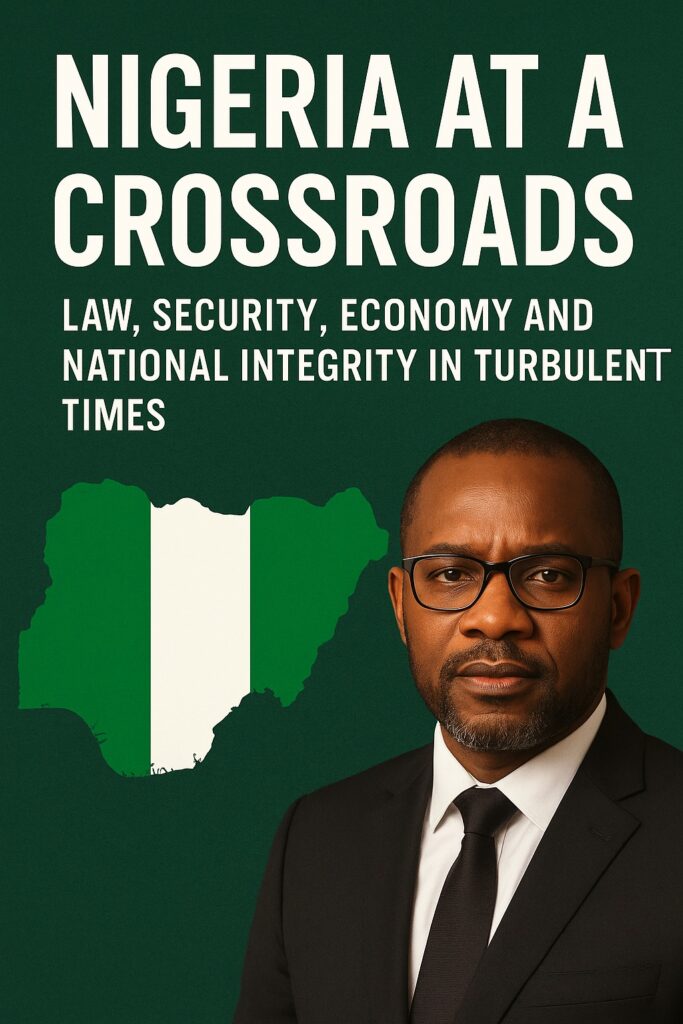
Nigeria stands at a very important moment in late 2025. The country is dealing with serious insecurity, economic pressure, and public anger, while at the same time trying to push reforms and regain confidence at home and abroad. The decisions taken now will shape our legal system, public trust, and national unity for many years to come.
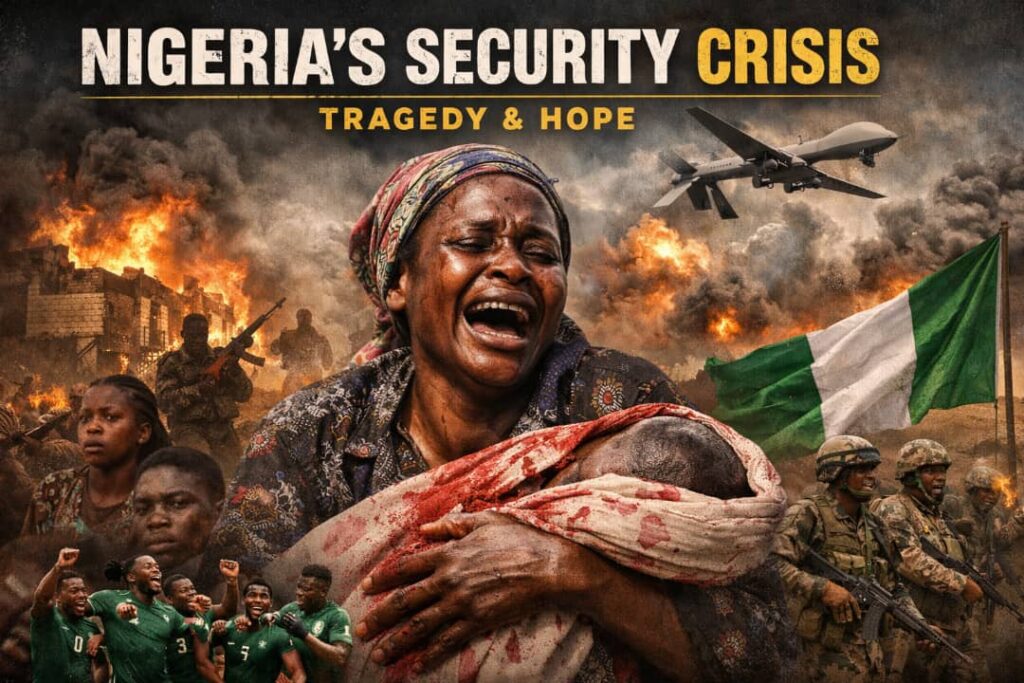
1. From Kidnappings to Military Controversies, The Security Crisis Deepens
Despite repeated assurances from government officials, violence continues to take lives and weaken constitutional protections across the country.
Mass kidnappings remain one of Nigeria’s deepest wounds. In November 2025, more than 300 students were abducted from St Mary’s Catholic School. Although about 100 students have since been released, over 115 are still missing. This incident is even larger than the Chibok abduction of 2014 and clearly shows that Nigeria still lacks effective protection for schools and children.
Civilian deaths linked to security operations have also raised serious human rights concerns. In Adamawa State, soldiers were accused of opening fire on unarmed protesters, leading to the death of at least nine women who were protesting insecurity in their communities. This incident has drawn condemnation from Amnesty International and reopened debates about military accountability under Nigerian law.
There have also been regional military tensions. Eleven Nigerian soldiers were detained in Burkina Faso after making an emergency landing. This incident highlights how Nigeria’s security challenges now extend beyond its borders and involve international law, diplomacy, and regional cooperation.
All these events directly affect constitutional rights, especially the right to life, freedom of movement, and personal security guaranteed under Sections 33, 41, and 44 of the 1999 Constitution as amended. They also show the urgent need for stronger legal oversight and reform.
2. Economic Struggles and Strategic Shifts
Nigeria’s economic situation in 2025 presents a mixed picture. There are signs of reform, but hardship remains widespread.
Inflation and the cost of living remain high, even though there are early signs of slowing. Official data and independent analysis suggest that inflation has eased slightly, but food prices are still very high and continue to affect ordinary Nigerians the most.
Government officials have expressed optimism about foreign investment. The Vice President, Kashim Shettima, has stated that Nigeria has moved past its worst period of economic instability, pointing to improved GDP growth, stronger foreign reserves, and better tax revenue performance.
In the energy sector, the government has taken steps that could bring long term benefits. Permits have been issued for gas flaring reduction projects expected to attract about two billion dollars in private investment, generate close to three gigawatts of electricity, and create more than 100,000 jobs.
However, serious problems remain. The United Nations World Food Programme has warned that up to 35 million Nigerians could face food insecurity by 2026. This is linked to insecurity, economic hardship, and reduced international aid. Hunger remains one of the country’s most urgent legal and moral challenges.
3. Public Outcry, Labour Unrest and Calls for Constitutional Accountability
The impact of insecurity and economic hardship is now being felt through organised public action.
The Nigeria Labour Congress has announced plans for nationwide protests scheduled for December 17, 2025. These protests are aimed at demanding better protection for citizens and accountability for ongoing security failures, especially in light of repeated kidnappings and violent attacks.
This reflects a growing willingness by citizens and organised groups to rely on constitutional rights to protest and demand better governance, accountability, and protection of lives and property.
4. What This Means for Rule of Law and Governance
From a legal perspective, three urgent issues demand attention.
First, there must be stronger judicial oversight of security operations. When the use of force by state agents leads to civilian deaths, independent judicial investigations are required. Internal reviews alone are not enough to meet Nigeria’s constitutional and international human rights obligations.
Second, the National Assembly must play a more active role in reviewing national security policy. Rising insecurity requires legislative scrutiny to ensure that security measures are effective while still respecting constitutional limits on state power.
Third, economic reforms must be guided by law and social justice. Policy changes should follow due process and protect vulnerable citizens. Economic transformation must align with fairness, dignity, and equality before the law.
5. A Nation Tested and a Legal Community Called to Lead
Nigeria in 2025 is not simply facing temporary difficulties. The country is being tested on its commitment to constitutional democracy, its ability to protect citizens, and the strength of its institutions.
For lawyers, judges, lawmakers, and citizens, the responsibility is clear. The rule of law must be upheld not just in theory, but in everyday governance. It must protect rights, limit abuse of power, and help build a fair and stable society for all Nigerians.